











As you walk down a lively street at night, bright signboards catch your eye almost instantly. Neon signs and LED signs help businesses get noticed more easily. Neon signs have been used for many years and produce a warm, colorful glow that gives a vintage and creative look.
LED signs, on the other hand, are more modern and use energy-efficient lights to create bright, sharp displays that can quickly change colors or messages. It can be difficult to choose between these two options since both offer valuable benefits and work well for various business or event needs.
Many people enjoy the classic feel of neon, while others prefer the modern and flexible look of LED. Knowing these differences makes it easier to select the right sign for your shop, restaurant, or office. This blog goes over the key differences between neon sign vs LED sign for business and guides you toward the choice that suits your needs best.
Popular Products



How Neon Signs Work
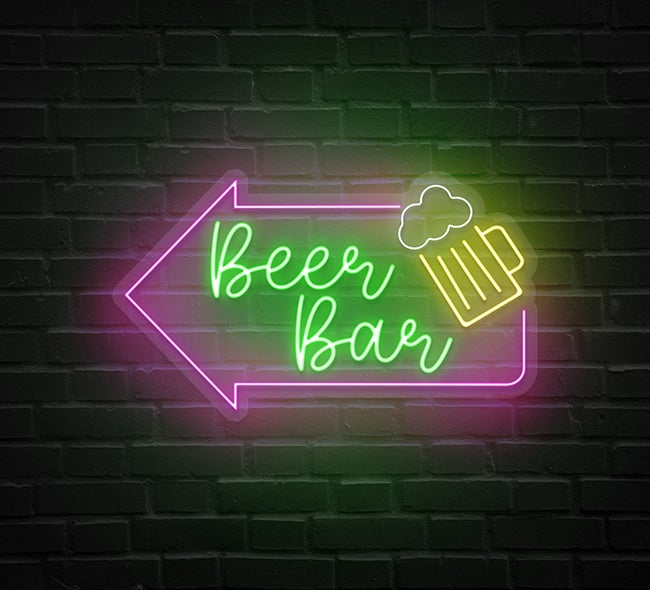
Neon signs are made using glass tubes filled with gas, usually neon or argon. When electricity passes through the gas, it lights up, creating that soft, glowing color people often associate with classic signs. Custom neon signs are usually handmade, giving them an even and smooth glow. These signs are popular for forming artistic letters, logos, or shapes. The gas inside the tubes creates a soft, warm glow that feels more natural than the brighter, sharper light of LED signs. Neon signs are usually set in a fixed size and shape, so altering the design can be challenging and may need professional assistance. Many bars, cafes, and retro-style shops prefer neon because it gives a stylish, nostalgic look that catches the eye without being too harsh.
How LED Signs Work
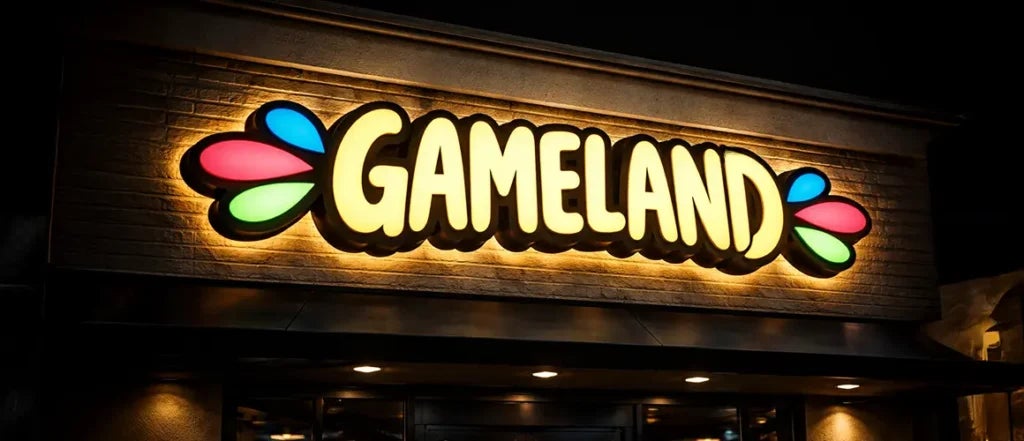
LED signs consist of small light-emitting diodes set in patterns or panels. Unlike neon, these signs do not need glass tubes or gas to function. The lights can be set to change colors, adjust brightness, or display moving text and graphics. Many businesses use LED letters to make bold, readable messages on walls, storefronts, or other signage.
LED signs are flexible and can be used for outdoor billboards, indoor displays, or even as channel letters on buildings. They use much less electricity than neon signs and last longer without breaking. Maintenance of LED signs is straightforward since a failed light does not stop the others from working.
Cost Comparison
When it comes to cost, neon signs often have a larger initial price due to the glass tubes and handcrafted design, which makes them a premium option. LED signs tend to be more affordable initially, particularly for larger signs or displays that need regular updates. In the long run, energy-efficient signage can save money since it uses less electricity and requires less maintenance. Neon signs may require more repairs if a tube breaks or the gas leaks, which adds to the long-term cost. Businesses need to weigh the initial look and appeal against ongoing expenses.
Brightness and Visibility

Neon signs provide a warm, soft glow that is easy to look at, though they may not be as noticeable from far away, especially in strong daylight. LED signs, by contrast, are very bright and remain clearly visible even in direct sunlight. This makes LED signs a better option for outdoor use or for places that need to grab attention from a distance. Neon works well in darker settings, creating an artistic and cozy atmosphere, while LED shines in both day and night, making it the best signage for brand visibility at all times.
Design Flexibility
Neon signs are limited by the shape of the glass tubes. They can make curves and letters beautifully, but changing the design requires reworking the tubes. LED signs offer much more flexibility. You can create different colors, scrolling messages, or even animated designs without changing the physical structure. LED signs are especially useful for businesses that need to change promotions regularly or show several messages on one screen. Although neon has a classic, handcrafted appeal, custom signage ideas for branding provide ways to experiment creatively with LED options.
Durability and Lifespan
Neon signs can be very durable if treated carefully, but their glass tubes are fragile. Moving them or exposing them to rough weather can cause breakage. They use more electricity and may gradually lose some of their brightness over time.
LED acrylic letters are much tougher because they are made from plastic or acrylic panels, which can resist weather, wind, and impact. LEDs have a longer lifespan and maintain their brightness over time, making them a dependable choice for long-term use. When it comes to outdoor signs or busy locations, custom signage solutions are usually the best option.
Environmental Impact
Neon signs use gases and consume more electricity, which can have a higher environmental impact. They also need special disposal because of the glass and gas. LED signs use less electricity, contain no gas, and are generally easier to recycle. For businesses that want to reduce energy use or go green, custom signs are the better choice.
How to choose between Neon and LED signs for your business
- Think about your business style: Neon works well for vintage, artistic, or cozy vibes, while LED fits modern, clean, or high-tech looks, helping answer which is better neon or LED signs.
- Consider your location: Neon is great for indoor spaces or dim areas; LED is ideal for outdoor spaces and places needing high visibility.
- Purpose of the sign: Neon is perfect for logos, shapes, or decorative displays; LED is better for changing messages, promotions, or animated designs.
- Budget and maintenance: Neon can be more expensive upfront and may need repairs; LED usually costs less over time and requires less maintenance.
- Environmental concerns: LED uses less electricity and is easier to recycle, making it the greener choice.
- Frequency of updates: LED signs are easier to change or update, while neon signs are fixed in design.
- Audience impact: Neon gives a warm, nostalgic feel; LED grabs attention with bright, sharp visuals that can be seen from far away.
Conclusion
Neon and LED signs each have their own strengths. Neon signs provide a classic, warm glow with artistic charm, while LED signs offer brightness, flexibility, and lower energy costs. By understanding how each works, their cost, visibility, durability, and design options, you can choose between neon sign and LED sign for your business. Whether you want a vintage look or a modern, dynamic display, the right sign will help your business catch attention and communicate your message effectively.
Written By BannerBuzz Editorial Team!