




If you are ordering decals for the outside of a shop, a car, a food truck, a signboard, or a glass door, this is usually the first question that matters: how long will they actually last once they are out in the real world?
Popular Products










Because indoor graphics are one thing. Outdoors is where the real test starts.
Sun. Rain. Dust. Heat. Cold. Car washes. Dirty hands. Window cleaning. Road grime. Even the angle of the surface can change how fast a decal starts to fade or lift. That is why the answer is never just one neat number. Outdoor life depends on the film, the print method, the laminate, the adhesive, the surface, and how much punishment the decal takes every day.
Still, there is a practical answer.
Most decent outdoor decals last anywhere from a few years to much longer than that, depending on quality. Shorter-term calendared vinyls are commonly used for medium-term outdoor graphics, while higher-performance films and premium cast products can stay serviceable for many years on vertical surfaces.
That is the short version. Now let us get into what actually changes the lifespan.
The biggest myth about outdoor decals
The biggest mistake buyers make is thinking all vinyl is basically the same.
It is not.
Two decals can look almost identical on day one and age very differently by month six. One may still look sharp after years. The other may already be fading at the edges, losing color, or shrinking slightly around the corners. That is why the real question is not only how long do vinyl decals last outdoors. It is also what kind of vinyl, what kind of print, and where exactly the decal is going.
Material grade matters. Surface matters. Sunlight matters. Even whether the decal is on a vertical window or a flatter, more exposed surface matters because outdoor durability ratings are often tied to vertical exposure.
So if you want a decal to last, start there.
What usually lasts longer outdoors
In simple terms, higher-end films usually last longer.
Calendered vinyl is commonly used for short-to-mid-term outdoor work and is often the more budget-friendly option for flat surfaces, straightforward signs, and regular promotions. Cast films sit at the more premium end. They are generally better for longer-term use, more complex surfaces, and situations where you want stronger long-run performance.
That does not mean everyone needs the most expensive film. Plenty of buyers do perfectly well with intermediate material. However, if the job is going to be exposed to harsh sunlight for years, or placed on a vehicle, or in a location where appearance is important every day, the choice of material becomes significantly more important.
Weatherproof does not mean indestructible

This is where wording gets tricky.
A lot of customers ask for something “waterproof,” but in practical sign and decal terms, what they usually want is something that can handle weather. Most quality outdoor window and vehicle decals are better described as weatherproof or water-resistant rather than magically immune to everything.
That is the realistic way to think about it.
Rain should not ruin a proper outdoor decal. Normal cleaning should not ruin it either. But harsh conditions over long periods will still wear it down. “Weatherproof” means built for outdoor life. It does not mean permanent.
Sun is often the real enemy
Most buyers worry about rain first. In reality, UV exposure is often the bigger problem.
Sunlight is what fades colors, dries out surfaces, and slowly takes the edge off a decal that looked sharp when it was first installed. The more direct and intense the sun, the more this matters. That is why sun-resistant materials, UV-stable inks, and protective laminates can make such a difference.
If a decal is going onto a sunny south-facing shopfront, a vehicle parked outside all day, or a glass surface with constant direct light, the longevity question becomes much more serious than it would be for something tucked into partial shade.
Storefront windows are easier than vehicles, but not always easy
A decal on storefront windows usually has a better life than one on a moving van.
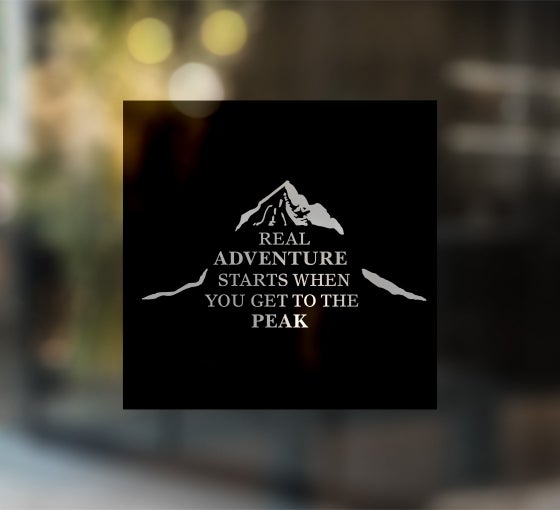
Why? Because glass is flat, smooth, and stable. It does not flex the way vehicle panels do. It does not get hit by road grit in the same way. It does not go through regular car washes. That is why window graphics are often one of the safer outdoor applications for vinyl.
So yes, window decals usually have a friendlier life than vehicle decals, but installation still matters.
The adhesive matters more than people think
Most people shop by finish, color, or print quality. Fewer think about the adhesive, which is funny because bad adhesive performance is often the first thing you notice when a decal starts failing.
If corners lift, bubbles show up, or the graphic starts to slip, the issue may not be the print at all. It may be the wrong adhesive for the job, poor surface prep, or a mismatch between film and substrate.
This is also why surface prep matters so much. Dirt, wax, oils, and moisture can all reduce bond quality. You can buy great film and still end up with disappointing results if it goes onto a badly prepared surface.
Lamination helps, especially when the decal gets touched a lot
If the decal is purely decorative and out of reach, you may get away without much protection depending on the film. But if people will touch it, wipe it, brush past it, or if it will live in a rougher environment, a laminate becomes much more valuable.
This is where scratch resistance enters the conversation.
Vehicles live a harder life than walls and windows

This is where expectations need to be realistic.
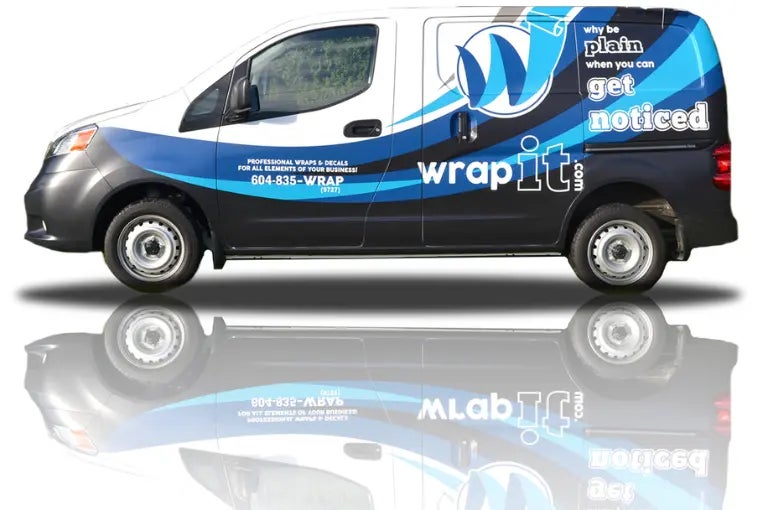
A decal on a parked shop window and a decal on a delivery van are not facing the same world. Vehicle graphics deal with road dirt, weather, movement, washing, fuel residue, and general wear. That is why vehicle-grade products tend to lean more premium and why cast wrap films are often recommended for longer-term vehicle work.
So if you are shopping for custom car decals, do not judge the material by the standard you would use for a simple shop window. Vehicles are harder on graphics, and the product should reflect that.
The same goes for Bubble-Free Car Decals and easy-apply products. They can make installation smoother and help avoid trapped air, but longevity still comes back to film grade, prep, and environment.
Static clings are not the same thing
This is worth saying clearly because buyers mix them up all the time.
Static clings are not the same as vinyl decals. They do not use the same adhesive system, and they are not usually the smarter choice for long-term outdoor use. Static clings rely on surface contact rather than adhesive and are typically recommended for indoor use because wind, rain, and humidity can affect performance.
So if the job is meant to last outside, especially for months, go with proper vinyl decals rather than clings.
Heavy-duty does not always mean thick
People often assume “heavy-duty stickers” simply means a thicker material. Thickness can help in some cases, but outdoor life is about a combination of things: film quality, print method, adhesive, laminate, installation, and exposure.
A thinner premium cast film can outperform a heavier but lower-grade alternative if the application is demanding. That is why buyers should focus less on one simple spec and more on the whole construction.
If the decal needs to last, the smarter question is not “is it thick?” It is “what is it made for?”
How to make outdoor decals last longer
A few simple choices help a lot.
Use a film that actually matches the job. Choose lamination when the graphic will be handled or exposed heavily. Install on a clean, dry surface. Seal edges where exterior window graphics require it. Avoid treating static clings like outdoor decals. Do not expect a budget film to behave like a premium cast wrap film.
This is also where product choice matters if you are comparing custom vinyl stickers, Custom Window Decals, or vehicle graphics against alternatives like Magnetic Vehicle Signs. Magnets can be useful when you want removability, but they are not the same as a bonded vinyl decal and do not serve the exact same purpose. The best option depends on whether you want permanence, removability, or repeat use.
Final answer
So, how long do custom decals last outdoors?
When the right material is used, custom decals last longer than expected; when the wrong one is used, they last much less.
If you want the simplest answer, think in ranges rather than one magic number. Shorter-term outdoor decals may be right for temporary promotions. Mid-grade films can last for years. Premium cast and long-life sign films can keep going much longer, especially on vertical surfaces with proper care.
So the better buying question is not only “how long will this last?” It is “what grade of decal do I actually need for this job?”
That is usually where the right answer starts.