

Greeting cards are one of those tiny things people underestimate until they receive a really good one.
A card looks simple. Sometimes it is just paper, print, and a few lines inside. But somehow, the right card can end up meaning more than the expensive gift sitting next to it. Flowers dry up. Gift bags disappear. Chocolates get eaten and forgotten. The card stays. It gets tucked into a drawer, pinned to a mirror, left on a work desk, or found months later inside a book like a little time capsule.
That is why cards still matter.
And that is also why people keep looking for unique greeting card ideas instead of picking the first generic option they see on a supermarket shelf. A thoughtful card should feel like it belongs to the person receiving it. It should sound right, look right, and carry a little bit of real thought.
So if you have been hunting for better greeting card ideas, here are seven types worth knowing about.
1. The Folded Card That Gives the Message Room to Breathe

Some messages need more than one line on the front.
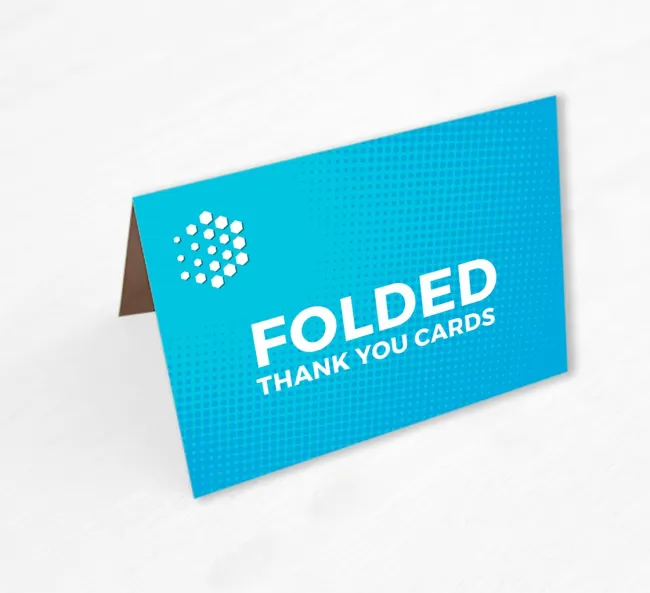
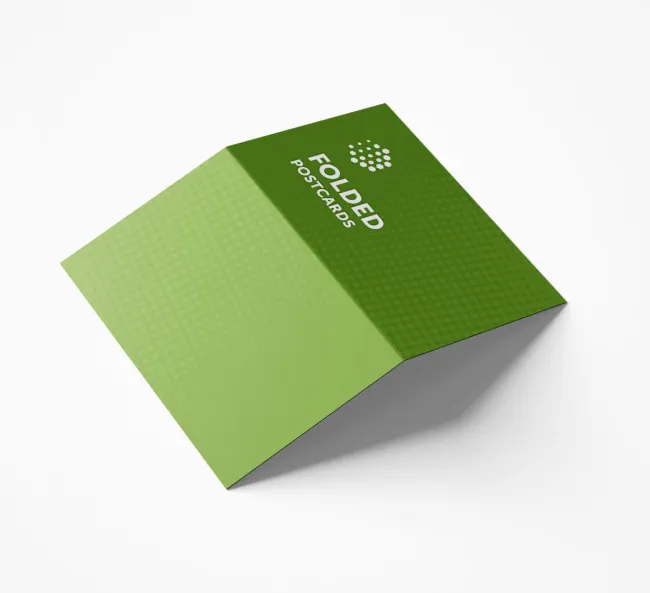
That is exactly where folded cards work beautifully. A folded format gives you a front cover moment and then enough room inside to actually say something meaningful. This is useful for people who do not just want a pretty design. They want space to tell a story, write a memory, or properly express emotion.
That is why folded greeting cards work so well for moments that deserve a little more depth. The outside can set the tone, and the inside can carry the heart of the message.
They are especially lovely when the sender wants the card to feel like more than a quick gesture. A folded card slows the moment down a little, and that is part of its charm.
2. The Photo-Led Card That Feels Instantly Personal

Some cards do not need much explanation because the picture already does half the work.
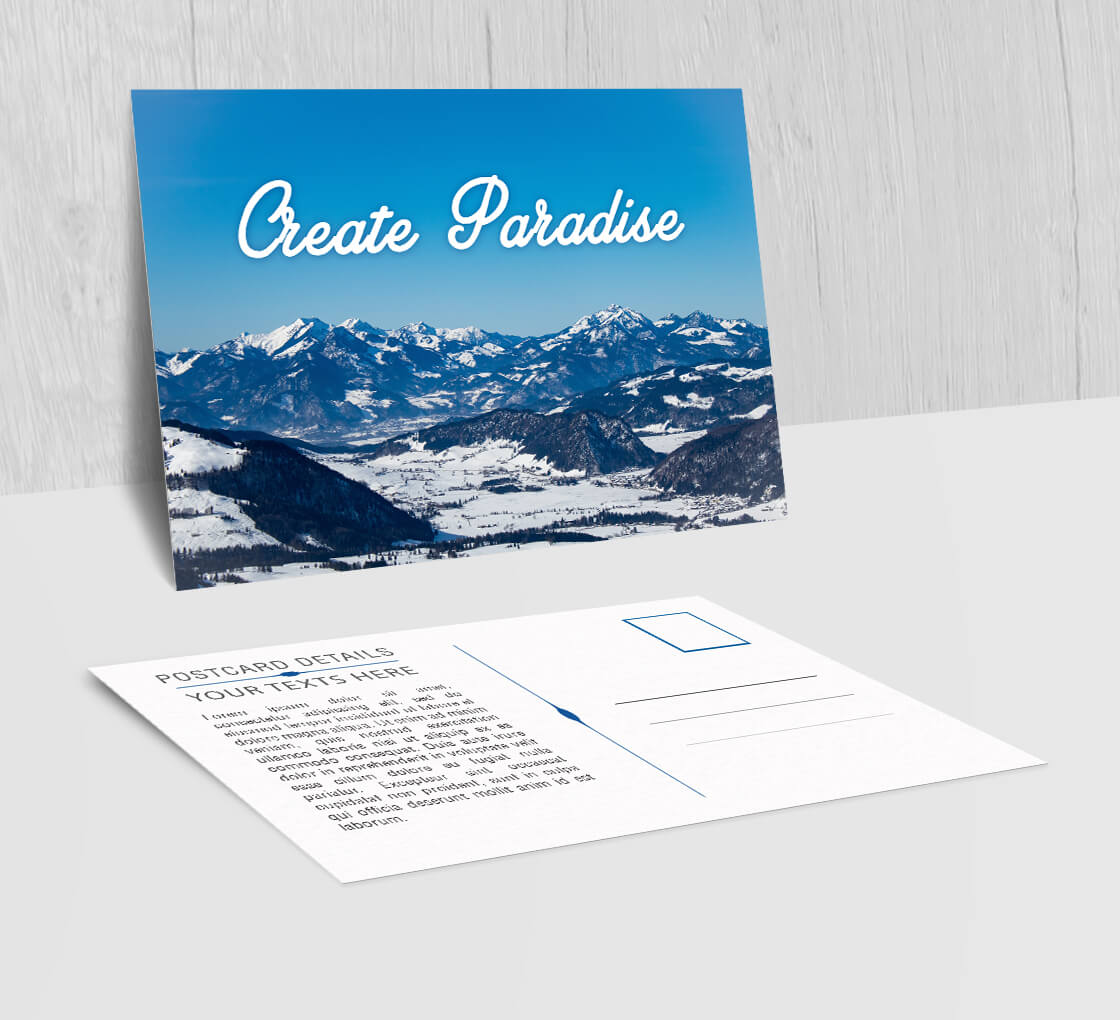
A photo greeting card has an immediate emotional advantage. The second someone sees a familiar face, a holiday memory, a wedding shot, a chaotic best-friends selfie, or a family picture from years ago, the card already feels personal. That is before they have even read the message.
This is why photo-based cards are so effective. They make the whole thing feel lived-in. Real. Specific. The message is not floating in a vacuum. It is tied to a moment that already matters.
These cards work beautifully when the goal is warmth. They are especially good for personal milestones, close relationships, family moments, and emotional keepsakes.
3. The Funny One That Actually Sounds Funny

There is a huge difference between a funny card and a card that is trying very hard to be funny.
A good fun greeting card usually works because the humor feels natural. It sounds like something a friend, sibling, or partner would actually say. It is not overloaded with random jokes. It picks one tone and gets it right.
That is why humor works best when it feels personal. Tease them for their dramatic habits. Mention their love for gossip, bad reality TV, over-ordering food, or pretending they are “low maintenance” when they are clearly not. The more specific the humor, the better the card usually lands.
A funny card is not just about getting a laugh. It is about making the person feel seen in a way that is affectionate and fun.
4. The Minimal Card That Says More by Doing Less

Not every card needs ribbons, glitter, balloons, stars, florals, and five fonts competing for attention.
Sometimes a simple greeting card is the strongest option in the room.
There is something very elegant about a card that trusts one line, one color palette, one strong piece of typography, or one clear visual idea. Minimal cards work especially well when the message itself is strong enough to carry the weight.
This is also where a few solid card design tips really matter. Leave space. Do not overfill the layout. Choose readable type. Let one thing be the focus. Do not make every element shout at once. The calmer the design, the more carefully everything else has to be chosen.
A minimal card often feels more grown-up, more polished, and more intentional, which is why so many people prefer it for refined or emotional occasions.
5. The Artistic or Handmade Card That Feels Like a Small Gift

Some cards are not just carriers for a message. They are beautiful objects in their own right.
This is where more visual, textured, and handmade styles come in. A handmade greeting card immediately signals effort, even when the design is not perfect. In fact, some of the nicest handmade cards are a little imperfect. A rough sketch, a painted edge, a stitched detail, a collage, or a hand-cut element often makes the card feel even more personal.
This style is also where a lot of creative greeting card ideas start to shine. You can mix illustration, paper textures, ribbons, pressed flowers, doodles, layered cut-outs, or small keepsake details in a way that no plain off-the-shelf card really can.
6. The Occasion-Specific Card That Feels Made for the Moment

Some occasions need their own emotional language.
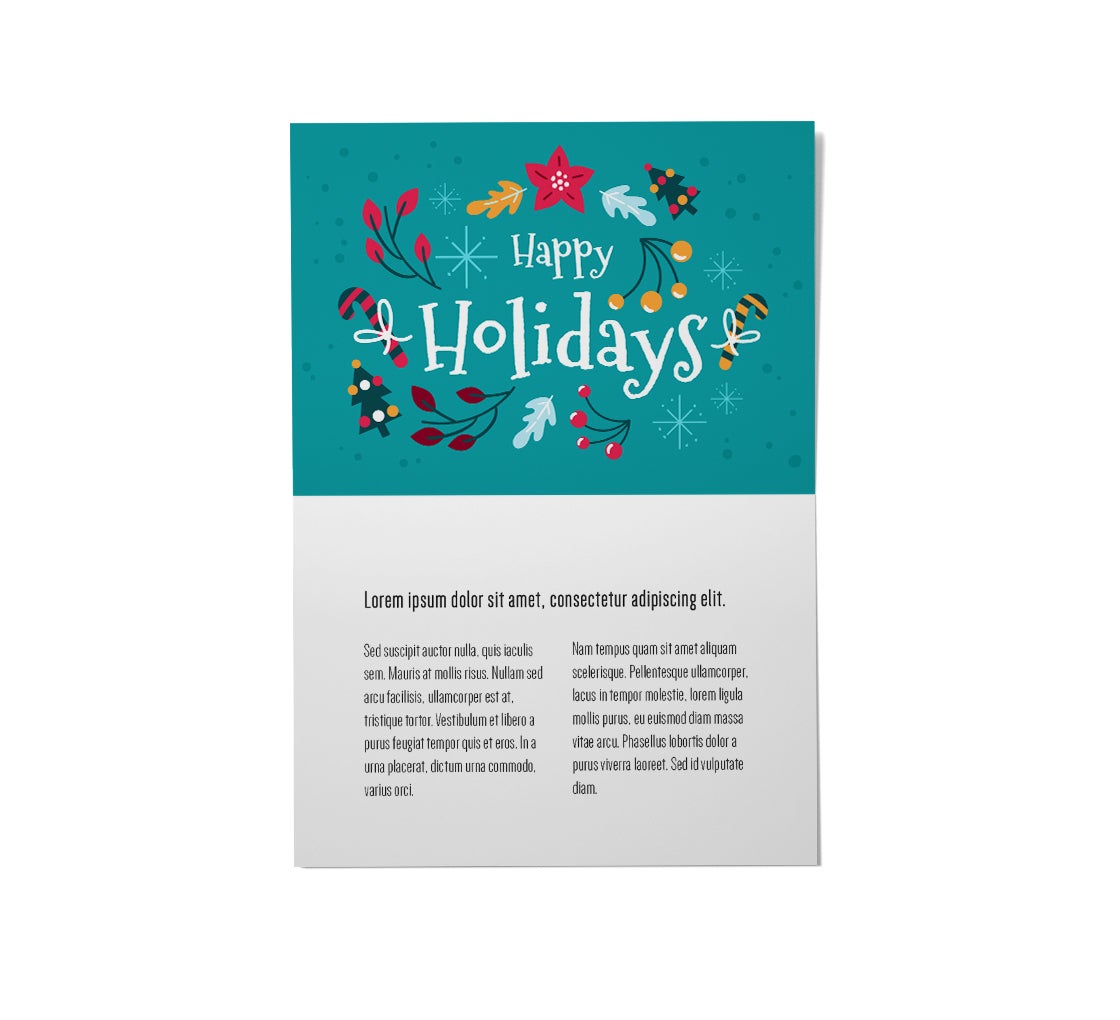
A birthday greeting card should not sound like a wedding note. A wedding greeting card should not feel like a casual thank-you message. And an anniversary greeting card needs an entirely different kind of warmth from either of those.
That is why occasion-based cards matter. They are tailored to the feeling of the moment rather than forcing one design style onto everything.
This is where the whole category of occasion cards becomes more interesting than people assume. The same person might want one style for birthdays, a softer one for weddings, a more elegant one for anniversaries, and something much more playful for friendships or informal celebrations.
The smartest cards understand the occasion first and decorate second.
7. The Flat Greeting Card That Can Be Anything You Want

Last but not least: The Flat Card.
Out of all the formats, this is probably the easiest one to personalize because it gives you a clean space to work with. A flat card can be funny, elegant, emotional, bright, minimal, dramatic, photo-led, text-heavy, or incredibly quiet depending on what you want. That is what makes it so useful.
If someone wants a name, a date, a quote, a personal joke, a full photograph, a hand-drawn illustration, or even full brand styling on the front, this format can handle it. That kind of freedom makes it perfect for custom card design, especially when the customer already has a very clear idea of how the card should feel.
This is also why custom greeting cards are so popular in flat form. The design does not have to follow one standard mood. It can be made soft and sentimental, loud and playful, or clean and premium without feeling forced.
And if the customer wants total control, flat greeting cards are probably the easiest place to start because they leave so much room for personalization. If you don’t have a clear idea in your mind or a specific skill set on how to do it, then Banner Buzz even gives you the option to hire a designer, where you can just tell them your thoughts and see them come to life.
Why the Type of Card Changes How the Message Lands
A lot of people think a card is just a card. But the format changes the emotional effect more than most people realize.
Flat cards feel open and flexible, while folded ones carry a little more intimacy. Photo-led designs bring memory in straight away, funny cards lift the energy, minimal styles feel more refined, handmade ones feel thoughtful from the first glance, and occasion-specific versions feel better matched to the moment.
That is why choosing the right format matters. Not because there is one “best” kind, but because different people respond to different styles. Some keep the prettiest cards. Some keep the funniest ones. Some keep the ones that made them cry a little when nobody was looking.
The design sets the mood before the words even begin.
Why Personalization Usually Wins
The more personal the card feels, the more likely it is to be remembered.
That does not mean every card needs twelve photos, gold foil, and a custom poem inside. It just means the best cards usually contain one or two details that make the receiver feel like the card was chosen for them and not just picked up because the sender was in a hurry.
That could be a line only they would understand. A color they always wear. A memory from ten years ago. A badly drawn version of their pet. A photo from a ridiculous holiday. A phrase they say all the time. Even a tiny design choice can change the whole emotional weight of a card.
That is why personalization matters so much more than perfection.