




If a flag is going outside, the material matters more than the design most of the time.
A nice design can only do so much if the fabric starts looking tired too quickly. Outdoors, a flag must deal with sun, wind, dust, movement, and regular wear. That is what usually separates a flag that still looks fine after some use from one that starts fading or fraying earlier than expected.
So, when people ask for the best material for outdoor flags, what they are really asking is which fabric handles outdoor life properly.
In most everyday cases, the answer usually comes down to performance. The material should move well, hold color properly, and not feel too weak for regular outdoor use. That is why polyester gets used so often for outdoor flags. It gives a good balance without making the flag too heavy or too delicate.
What matters in an outdoor flag material
A flag for outdoor use does not need to be fancy. It needs to be worked.
That usually means a few basic things. The fabric should be light enough to move, because movement is part of what makes a flag noticeable in the first place. At the same time, it should not feel so thin that it starts looking worn too fast. The print also matters. If the material cannot hold color well, the whole flag will lose its impact.
The right outdoor flag material handles all of that reasonably well instead of being perfect at just one thing.
That is why the best outdoor fabrics are usually judged by simple questions:
- Does it look good outside?
- Does it move properly?
- Does the color stay clear?
- Can it handle regular use?
If the answer is yes to those, then the material is doing its job.
Weather matters, but so does movement

A lot of people focus on rain first, but wind is usually the bigger test.
A flag is supposed to move. That is part of why it gets noticed. But if the fabric is not right, too much movement starts wearing it down faster. On the other hand, if the material is too heavy, the flag loses that natural motion and starts looking stiff.
That is where a fabric like polyester usually works well. It is light enough to move the way an outdoor advertising flag should, but still strong enough to handle regular use better than a lot of softer decorative fabrics.
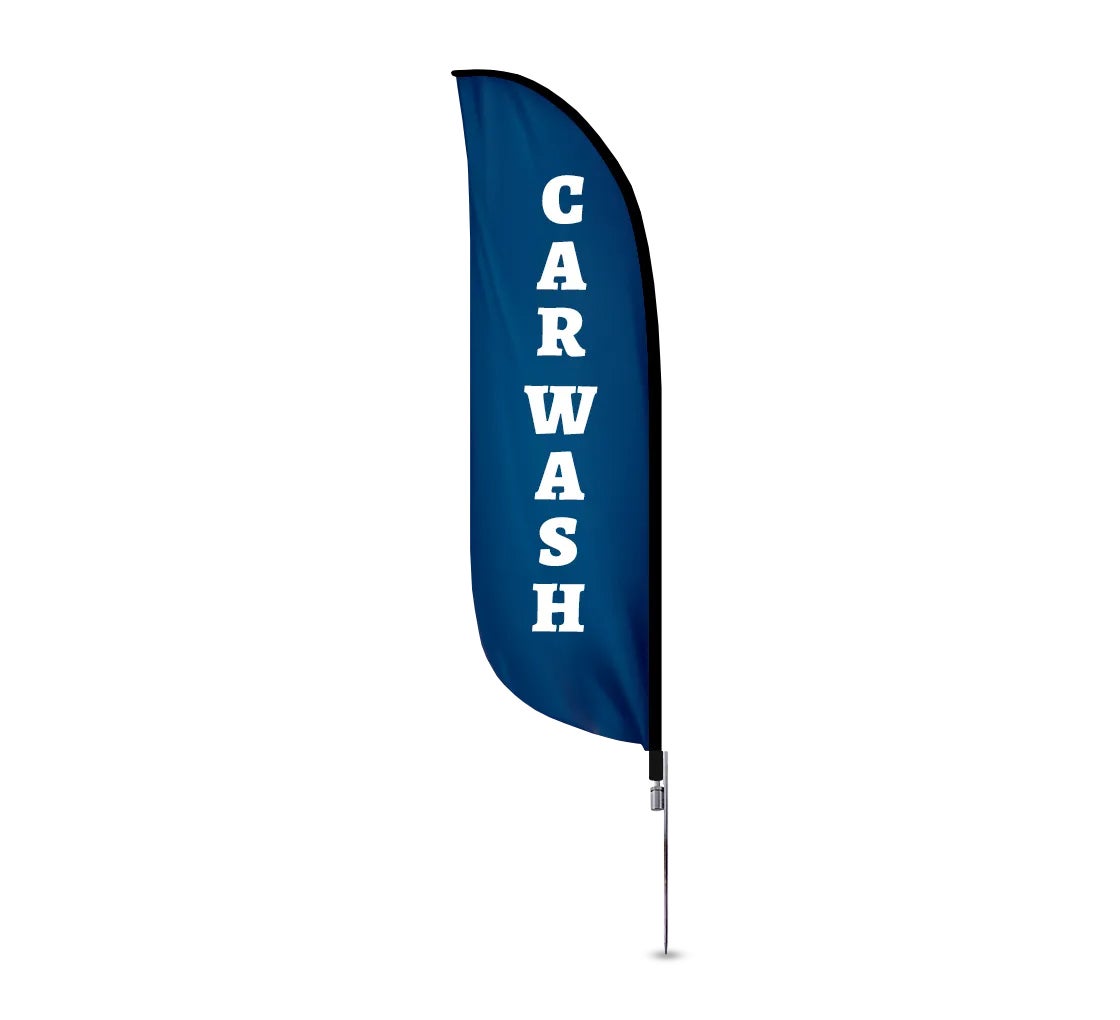
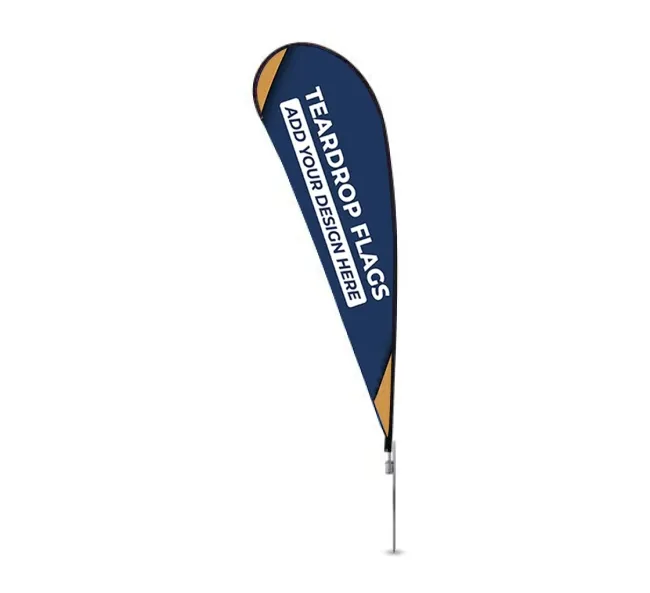
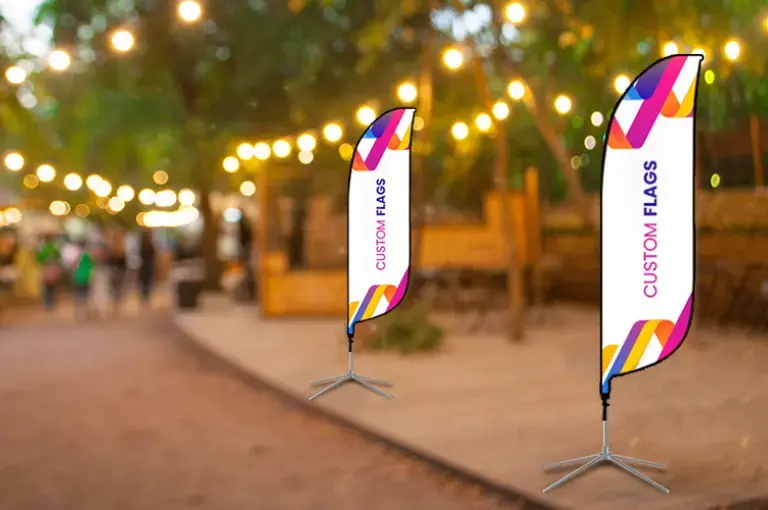
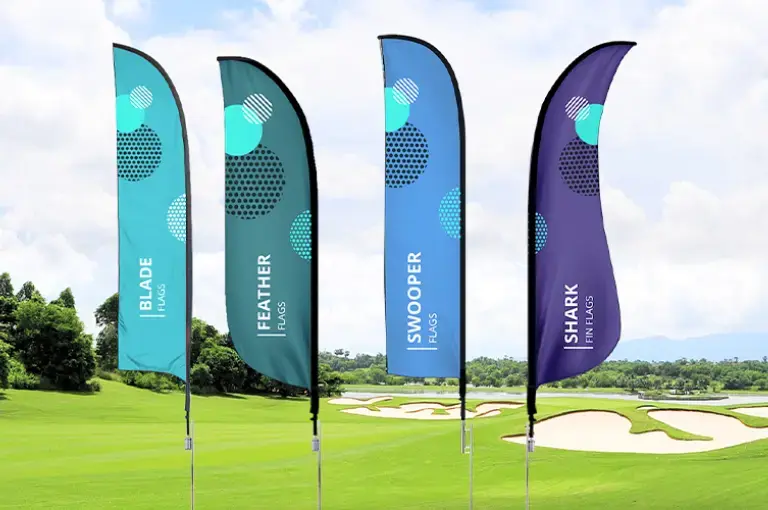
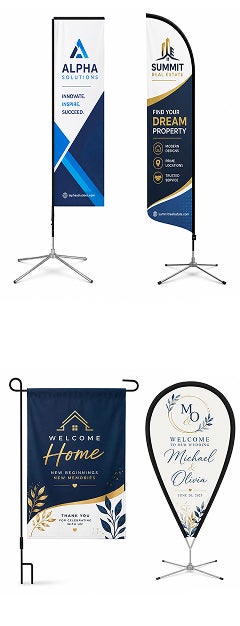
That is one reason you see the same kind of material across so many formats — feather flags, teardrop flags, blade flags, rectangle flags, swooper flags, and even car flags. The shapes change, but the basic demand remains: the fabric must move and hold up simultaneously.
Color is a bigger deal than people think
A flag is usually seen from a distance. That means the color has to do a lot of work.
If the print looks dull too soon, or if the message starts losing sharpness, the flag stops doing what it was meant to do. That is why fade-resistant performance matters so much with outdoor displays. The fabric must be able to carry bold colors and keep them looking strong under normal exposure.
The same goes for UV-resistant performance. Sunlight is one of the main reasons outdoor signage starts looking older than it should. No flag fabric stays untouched forever, but some materials handle regular light exposure better than others.
That is another reason polyester tends to be a practical option for durable outdoor flags. It is not only about the strength of the fabric itself. It is also about how well the print continues to show on it.
So, what is the best fabric for outdoor flags?
In real life, the best fabric for outdoor flags is usually the one that gives the fewest problems.
Not too heavy. Not too weak. Good movement. Decent print quality. Strong enough for repeated use. That is why polyester keeps showing up as the default choice so often. It is not because it is the only possible material. It is because it covers the basics well, which is what most businesses and event setups actually need.
For outdoor use, that matters more than anything else.
A flag is not being judged in a showroom. It is being judged outside, where people are driving past it, walking past it, or spotting it from across a parking lot. It still looks like something worth noticing.
Different uses, same basic need

Even though outdoor flags get used in different ways, the material requirements do not change much.
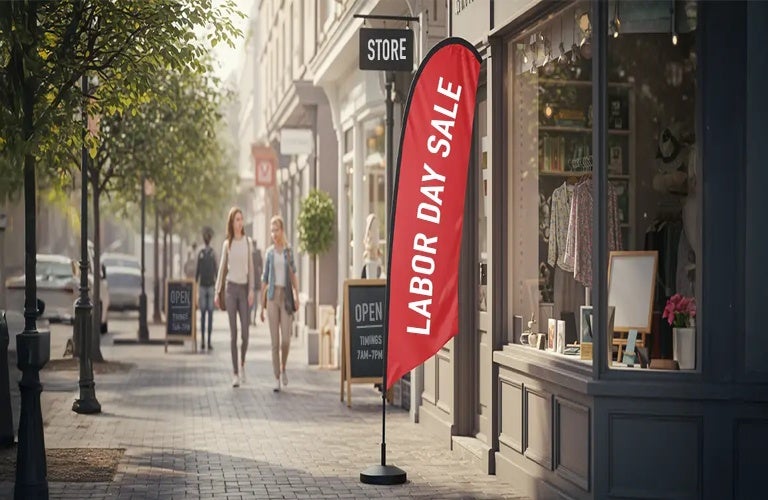
A grand opening feather flag needs to stay clear and noticeable outside a storefront. A roadside sale flag needs to keep moving without looking weak. A branded event flag needs to hold color well enough to still look clean in photos. A set of advertising flags outside a business needs to stay presentable through regular day-to-day use.
Different situations, same basic demand.
That is why material choice is usually less about chasing the “best sounding” option and more about going with something that can deal with normal outdoor use without becoming a problem.
What people usually mean by weather-resistant
When buyers say they want weather-resistant flags, they usually do not mean something that will survive every possible condition forever.
They usually mean something that can stay outside in ordinary weather and still look decent while doing it.
That is a much more practical standard.
The fabric should handle regular exposure to sun and wind without falling apart too quickly. It should also dry reasonably well and keep the print looking clear enough for the flag to stay useful. That is the kind of everyday performance most people are actually looking for.
Final thoughts
The best material for outdoor flags is usually the one that can handle ordinary outside conditions without making the flag feel stiff, dull, or short-lived.
That is why polyester keeps ending up in the conversation. It gives a good mix of movement, color clarity, weather performance, and general durability, which is exactly what most outdoor flag setups need.
So, if the goal is to choose something practical, visible, and reliable for regular outdoor use, it usually makes more sense to focus on how the material behaves outside rather than how impressive it sounds on paper.
That is where the right choice becomes pretty clear.