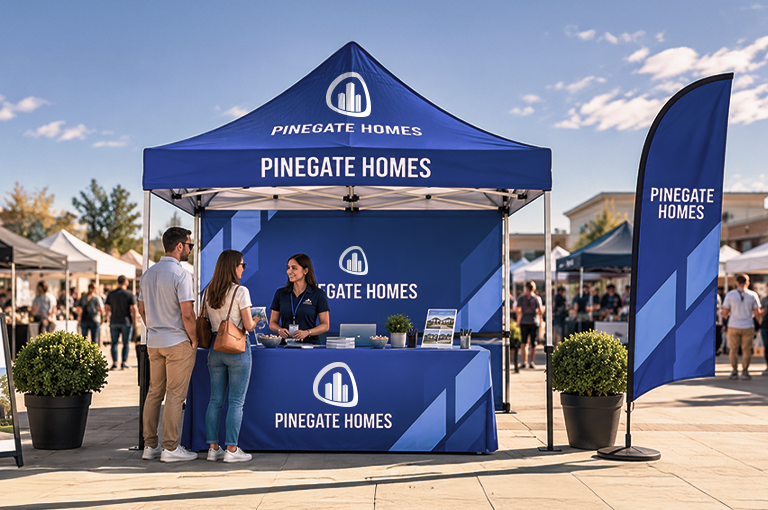





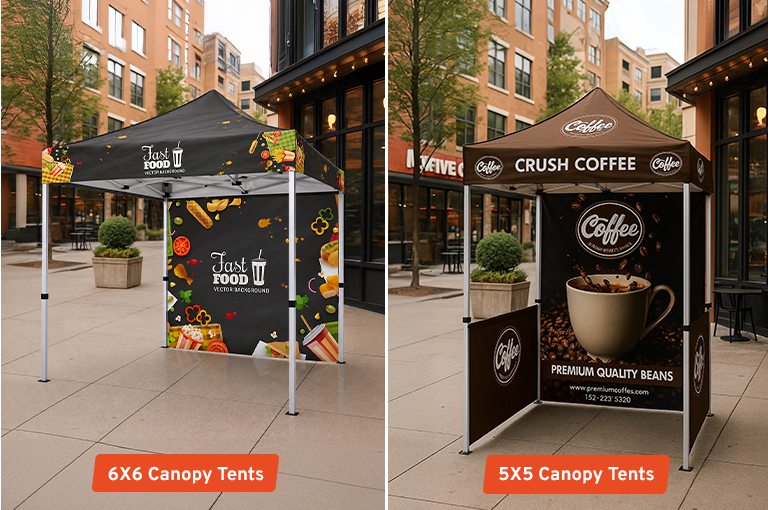
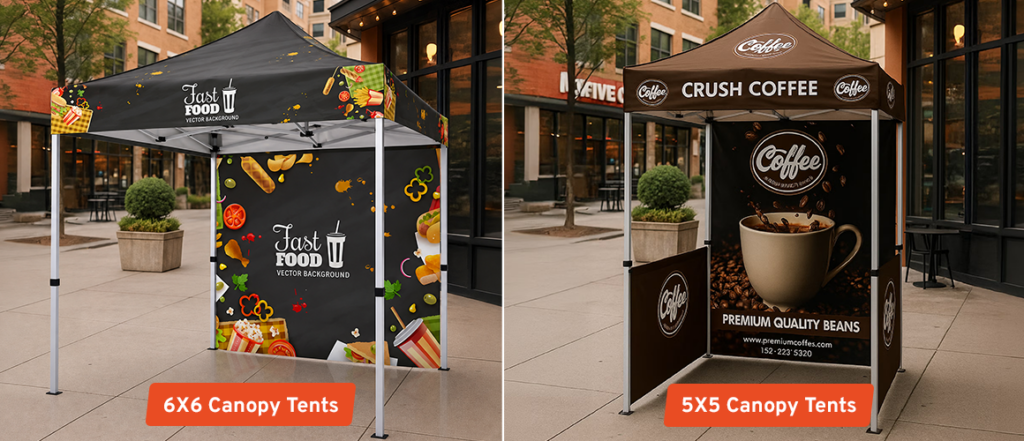
We all know that a competitive sphere is usually very crowded. Therefore, choosing the right canopy tent sizes can make a significant difference when you’re taking your brand outdoors. A canopy tent provides sufficient room for any marketeer’s team, product displays and promotional signage without any additional hassle to transport. When evaluating compact footprints, comparing a 5×5 vs. 6×6 canopy tent is the most common starting point for small-scale vendor setups.
A 5×5 tent provides 25 square feet of floor space, whereas a 6×6 tent offers 36 square feet. While an 11-square-foot difference seems minor on paper, it represents a 44% increase in a usable area. The right choice depends on your booth layout, staff size, and event logistics.
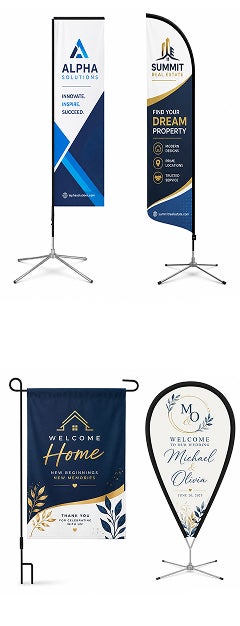
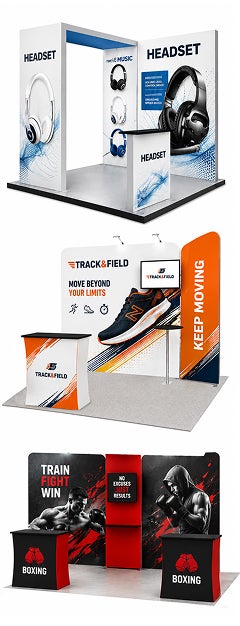
Popular Products




Why Does Tent Size Matter for Your Business Setup?
Your event footprint directly affects customer engagement, staff comfort, and spatial organization. According to research published by the International Sign Association (ISA), clear physical visual boundaries and uncrowded promotional spaces increase consumer dwell time at trade show booths by up to 30%.
Choosing the right pop-up canopy tent creates an organized presence that protects merchandise from weather elements while defining your temporary storefront. Selecting an oversized model can result in venue penalties or transportation difficulties, while an overly small tent creates clutter and discourages foot traffic.
Here’s an in-depth evaluation of the various canopy tent size comparison that helps marketeers make better and mindful decisions for their upcoming promotions.
What Is a 5×5 Canopy Tent and When Should You Use It?
A 5×5 custom canopy tent offers a compact 25-square-foot footprint designed for tight physical spaces and streamlined operations.
Best Use Cases:
- Solo Operators: Such small canopy tents are ideal for single-staff activations, ticket sales, or information kiosks.
- Sampling Stations: Fits a single promotional table for food or product sampling.
- Restricted Venues: Fits high-density urban sidewalk promotions or crowded indoor trade show halls where space costs are calculated per square foot.
Key Advantages:
- Lightweight frame simplifies transport and quick single-person setup.
- Minimal venue footprint allows entry into tight, high-traffic event spaces.
- Requires fewer canopy weight bags to meet basic wind stability guidelines.
What Is a 6×6 Canopy Tent and When Is the Extra Space Needed?
A 6×6 custom canopy tent yields 36 square feet of floor space, offering improved versatility for interactive vendor displays.
Best Use Cases:
- Multi-Staff Booths: Comfortably accommodates 2–3 team members with movement space.
- Demonstration Hubs: Provides adequate room for physical product demos, registers and customer checkouts.
- Outdoor Markets: Serves local community markets, craft fairs, and athletic events requiring equipment storage.
Key Advantages:
- Provides a 44% larger sheltered footprint for customer interaction.
- Allows flexible layout configurations (e.g., L-shaped table arrangements).
- Leaves room for internal storage bins out of public view.
How Do 5×5 and 6×6 Canopy Tents Compare?
| Feature | 5×5 Canopy Tent | 6×6 Canopy Tent |
| Total Floor Area | 25 sq. ft. | 36 sq. ft. |
| Optimal Staff Capacity | 1 Person | 1–3 People |
| Best For | Compact setups, sampling, registration | Product displays, interactive demos |
| Layout Flexibility | Basic (1 small table) | Moderate (Multiple tables/counters) |
| Transportation | Fits standard vehicle trunks easily | Requires slightly longer trunk clearance |
| Portability | Ultra-lightweight | Lightweight |
Choosing a Canopy Tent Size for Your Next Event
If you are evaluating how to choose a canopy tent size, follow this step-by-step framework before buying:
- Map Your Equipment: Measure your display tables, banners, chairs, and inventory containers.
- Calculate Occupant Space: Reserve a minimum of 6–8 square feet of standing room per staff member.
- Verify Event Restrictions: Review organizer regulations regarding allowable booth dimensions and height limits.
- Determine Transport Capabilities: Verify that a folded frame along with a canopy tent travel bag with wheels will fit your team’s transit vehicles.
- Plan for Brand Graphics: Determine if a custom canopy tent design requires full-wall prints or basic valance logos, as larger structural faces offer higher visibility from a distance.
Practical Setup Example:
A local artisan skincare brand tested a 5×5 setup at a weekend pop-up. While their single display table fit, customer checkout created a bottleneck on the sidewalk. Upgrading to a 6×6 tent allowed them to add a side register counter, keeping the primary display area open. This layout change improved customer flow and increased sales transactions by 18% over subsequent event weekends.
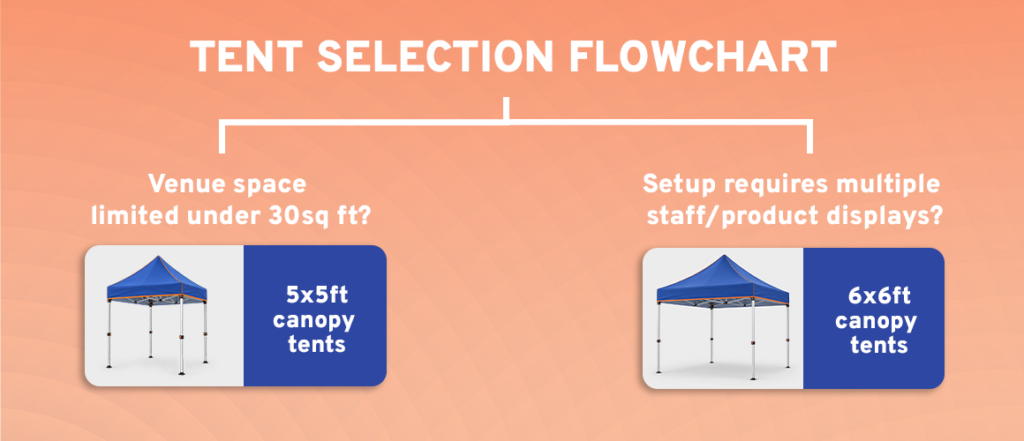
Visualizing Tent Selection: Decision Flowchart
Choosing between these two compact tent sizes can be tricky, as even small differences in footprint impact your workflow and product visibility. To make your decision easier, here’s this quick, step-by-step decision flowchart
Is a 5×5 or 6×6 Canopy Tent Better for Outdoor Events?
Determining whether a 5×5 vs. 6×6 canopy tent for outdoor events is superior depends on event context and environmental conditions:
- Foot Traffic Dynamic: A 5×5 model keeps customers outside the footprint while staff hand out materials. A 6×6 tent allows shoppers to step under the canopy roof out of direct sun or rain.
- Weather Preparedness: Outdoor stability requires proper ballast weight regardless of footprint size. Always attach weighted anchors to each leg structure.
- Branding Reach: A taller apex on a 6×6 canopy frame allows larger graphic placements, increasing sightlines across crowded event grounds.
For businesses weighing overall value, determining the best canopy tent size for business operations comes down to balance: choose the 5×5 for maximum portability and tight spaces, or step up to the 6×6 for customer engagement and display flexibility.
Selecting the Right Size for Your Brand
So, the answer to your question, “Is a 5×5 or 6×6 canopy tent better for business” comes down to matching your operational requirements with venue space limits. A 5×5 model offers an agile, lightweight solution for simple activations, while a 6×6 footprint provides the space needed for dynamic customer interactions and expanded product lines.
Explore our full collection of custom canopy tent options, secure high-durability weight bags for canopy tents, or equip your team with a heavy-duty canopy travel bag that has wheels to streamline your next outdoor event setup.
Frequently Asked Questions
Q: Is a 5×5 canopy tent or 6×6 canopy tent better for business promotions?
A: A 5×5 tent is best for single-person, low-equipment setups like sampling or registration. A 6×6 tent works better for retail sales, product demonstrations, and multi-person staff teams requiring higher customer walk-in capacity.
Q: Do standard trade show venues allow 5×5 and 6×6 tents?
A: Yes. Most outdoor markets and trade shows assign booth spaces in standard increments (such as 10×10). Both 5×5 and 6×6 footprints fit well within standard boundaries, leaving extra perimeter space for external signage.
Q: How do I anchor a compact canopy tent safely outdoors?
A: Use dedicated canopy weight bags filled with sand or weight plates attached to each leg frame. Even small canopies can catch wind gusts if unanchored.
Q: Can one person set up a 6×6 canopy tent alone?
A: Yes. Modern scissor-frame pop-up canopy designs allow a single operator to expand and lock a 5×5 or 6×6 frame within minutes.