









If you have looked into custom printed t-shirts, custom hoodies or branded sportswear recently, you might have noticed a major shift in how garments are decorated. Traditional methods like screen printing and direct-to-garment DTF printing for personalized apparel (DTG) printing held the spotlight for decades. However, a newer technique has quickly become one of the most talked-about innovations in the textile industry: direct to film printing.
Whether you are a creative business owner looking to produce custom merchandise, or simply curious about modern fabric decoration techniques, understanding this modern technology will help you make smarter decisions. In this comprehensive guide, we will break down what it is, how it functions step-by-step, its key benefits and why it is rapidly transforming garment manufacturing worldwide.
What is DTF Printing?
At its core, DTF stands for Direct-to-Film. It is a digital printing technique where designs are printed onto a specialized polyethylene terephthalate (PET) film rather than directly onto the fabric itself. Once the design is mirrored and printed on this clear film using water-based pigment inks, a special hot-melt adhesive powder is applied across the wet ink.
After the adhesive powder is melted and cured with heat, the film effectively becomes a ready-to-use transfer. Using a standard heat press machine, the cured film is pressed onto the garment, transferring the ink and adhesive permanently into the fabric fibers. Once cooled or peeled away, you are left with a vibrant, sharp and highly durable print.
Unlike older heat transfer techniques that felt heavy, plastic stickers slapped onto a shirt, this modern process creates flexible, soft prints that blend smoothly into textiles without cracking or peeling easily.
The Step-by-Step Process: How It Works

Understanding the actual technical procedure makes it much easier to appreciate why the results turn out so clean and resilient. Let us walk through how this process operates from start to finish.
KEY MECHANISM: The magic of this method lies in the combination of specialized pigment inks, hot-melt adhesive powder, and controlled heat application, ensuring strong bonding on diverse materials.>>
- Step 1 – Prepare the Design: Everything starts on a computer screen. Designers create artwork using multiple graphic softwares. The design is formatted at a high resolution (usually 300 DPI) to keep details crisp. Before sending the file to the specialized printer, the software flips or mirrors the design horizontally, since it will be pressed face-down onto the fabric later.
- Step 2 – Printing the Design: The printer uses dedicated water-based inks containing cyan, magenta, yellow, black (CMYK), along with a crucial layer of white ink. The printer first lays down the colorful CMYK elements of the design onto the translucent PET film. Right after, it covers those color layers with a solid coat of white ink. This white backing acts as an opacity layer, ensuring that colored designs stay bright and clear even when placed on dark or black shirts.
- Step 3 – Applying the Hot-Melt Powder: While the white ink is still fresh and wet on the film, it passes into an automatic powder shaker or receives a manual dusting of hot-melt powder. This powder is typically made of polyurethane resin. It sticks strictly to the wet ink areas while leaving the blank sections of the film completely clean.
- Step 4 – Curing the Transfer: Next, the film goes through a curing oven, heat tunnel, or under a heat press heating element. The heat melts the adhesive powder, transforming it from a white powder into a clear, rubbery adhesive layer over the ink. Once cured, the transfer sheets can be used immediately or stored in bags for months without degrading.
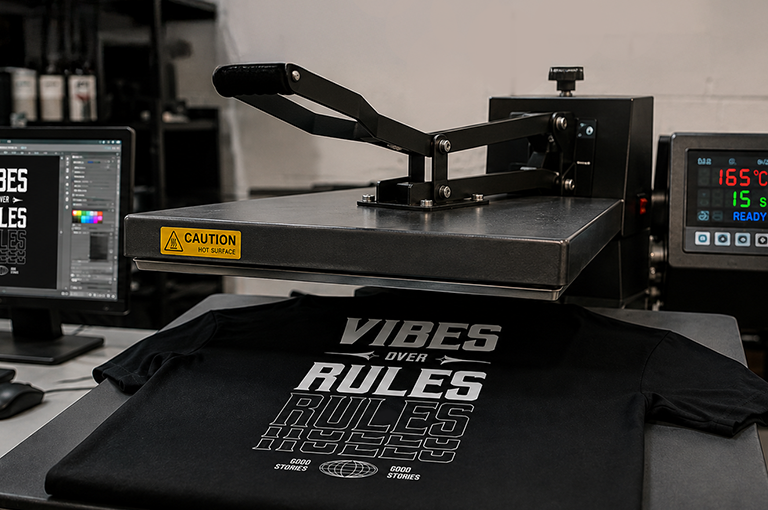
- Step 5 – Heat Pressing onto Fabric: Heat Pressing onto Fabric The cured film transfer is positioned on top of the garment. Using a standard commercial heat press set to roughly 160°C (320°F) for 12 to 15 seconds, pressure and temperature press the adhesive directly into the weave of the fabric.
- Step 6 – Peeling and Finishing: Depending on the type of transfer film used, the operator peels the PET film off while it is still warm (hot peel) or after it cools down completely (cold peel). The film lifts off effortlessly, leaving only the vibrant print firmly bonded to the textile. A quick 5-second post-press is often applied to settle the ink even further into the fabric.
Key Advantages of the DTF Method
Why has this modern technique gained massive popularity over established traditional options like screen printing or direct-to-garment? Let us look at the main reasons print shops and brands are making the switch.
| Feature | Traditional Screen Printing | Direct-to-Garment (DTG) | DTF Method |
| 1. Fabric Compatibility | Mainly Cotton/Polyester | Strictly High Cotton % | Universal (Cotton, Poly, Leather, etc.) |
| 2. Pre-treatment Required? | No | Yes (Messy & Time-Consuming) | No Pre-treatment Needed |
| 3. Setup Time | High (Color Separations/Screens) | Low | Low |
| 4. Color Detail & Gradients | Limited by screen count | High | Very High (Full Photographic) |
| 5. Small Order Viability | Expensive for small runs | Good | Excellent |
One primary factor driving adoption is efficiency. Pre-treatment chemical sprays are completely eliminated, saving hours of manual labor and drying time. Additionally, because transfers can be printed in advance and stored on shelves, businesses can print dozens of design sheets on Monday and press them onto shirts only when customer orders come in throughout the month.
Fabric Versatility: What Materials Can Be Used?

With older digital printing options, dark 100% polyester shirts or nylon windbreakers were notoriously difficult or near impossible to print without specialized dye-block inks. One of the strongest selling points of this system is its broad material compatibility.
Because the adhesive powder forms a strong mechanical bond across surfaces, you can easily apply designs onto:
- 100% Cotton: Standard t-shirts, heavy canvas totes and cotton hoodies.
- 100% Polyester: Moisture-wicking athletic wear, jersey shirts and performance activewear.
- Cotton-Poly Blends: Fleece jackets, tri-blend shirts and everyday casual wear.
- Nylon & Synthetic Fabrics: Backpacks, umbrellas, windbreakers and rain gear.
- Leather & Synthetic Leather: Custom jackets, belts, caps and wallets.
- Denim & Canvas: Jeans, heavy jackets, aprons and canvas tote bags.
This wide flexibility allows businesses to expand their catalog far beyond standard cotton shirts without changing equipment or buying separate ink sets. That can include everything from custom long sleeve shirts and fleece garments to performance apparel and other specialty pieces.
Applications in Custom Apparel
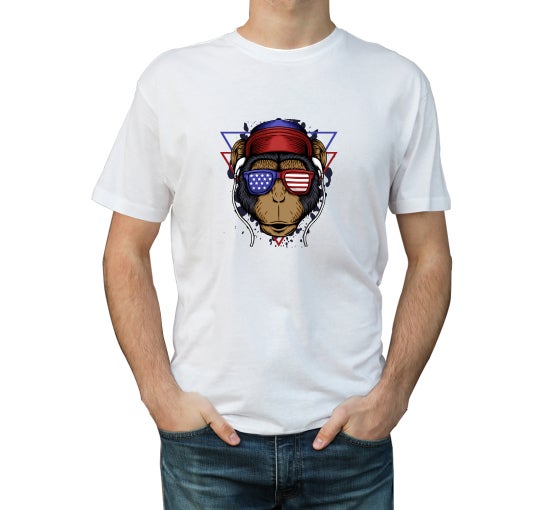
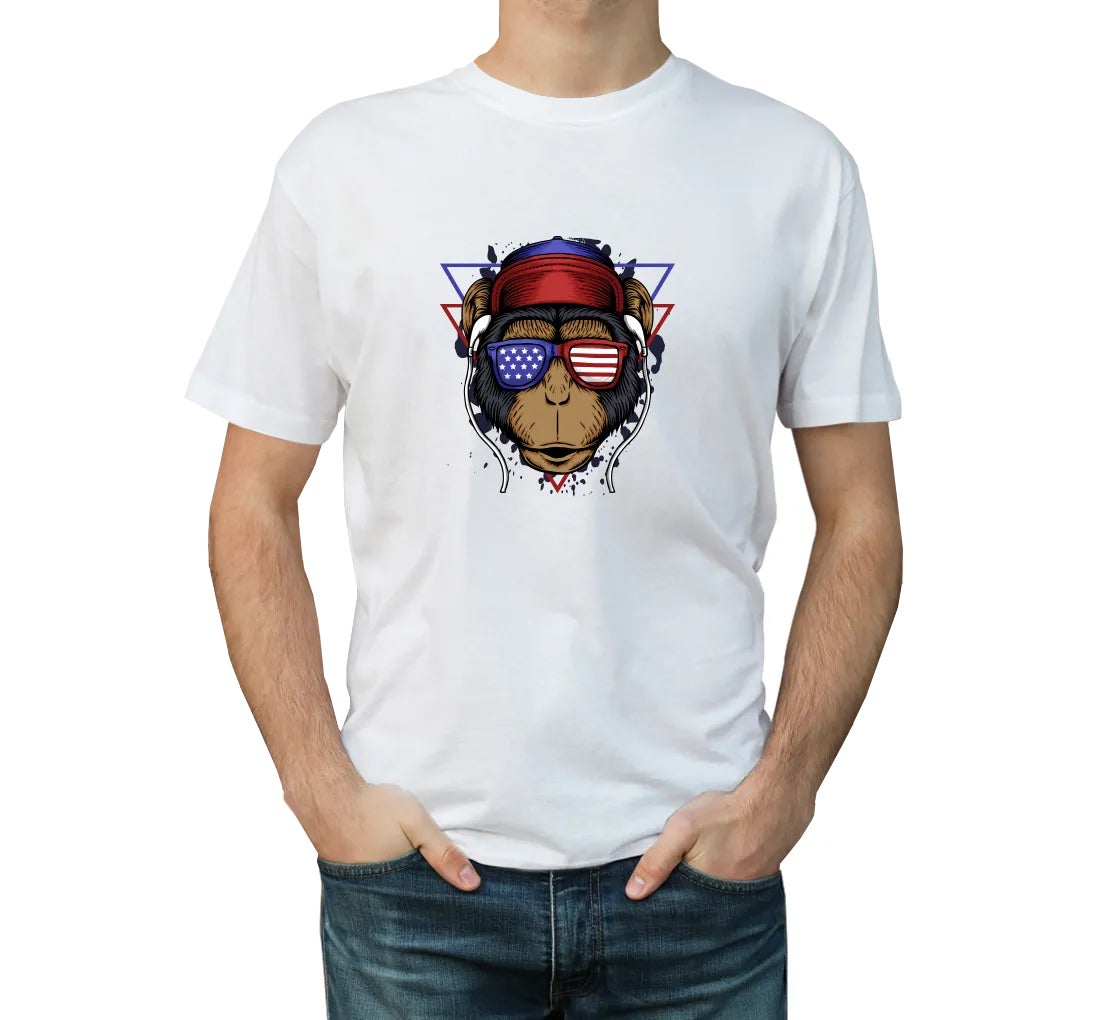
The versatility of this printing technology has opened exciting avenues for entrepreneurs, sportswear teams, fashion brands and corporate gift suppliers. Because setup costs are low, printing a single shirt costs almost the same per-unit rate as printing fifty shirts. This makes it practical for businesses creating custom hoodies and other personalized apparel without committing to large production runs.
Here are a few common ways this technology is used today:
- Small Business Merchandise: Local cafes, gyms and startups can print small batches of high-quality team uniforms without heavy upfront inventory investment.
- E-commerce Print-on-Demand: Online clothing brands can list dozens of detailed artwork designs, printing and shipping orders individually as customers place them. This model can cover different apparel categories, including custom printed women’s t-shirts, allowing brands to offer more variety without holding large amounts of inventory.
- Complex Multi-Color Graphics: Photorealistic images, intricate vector artwork, fine gradient details, and multi-colored logos print with exceptional clarity.
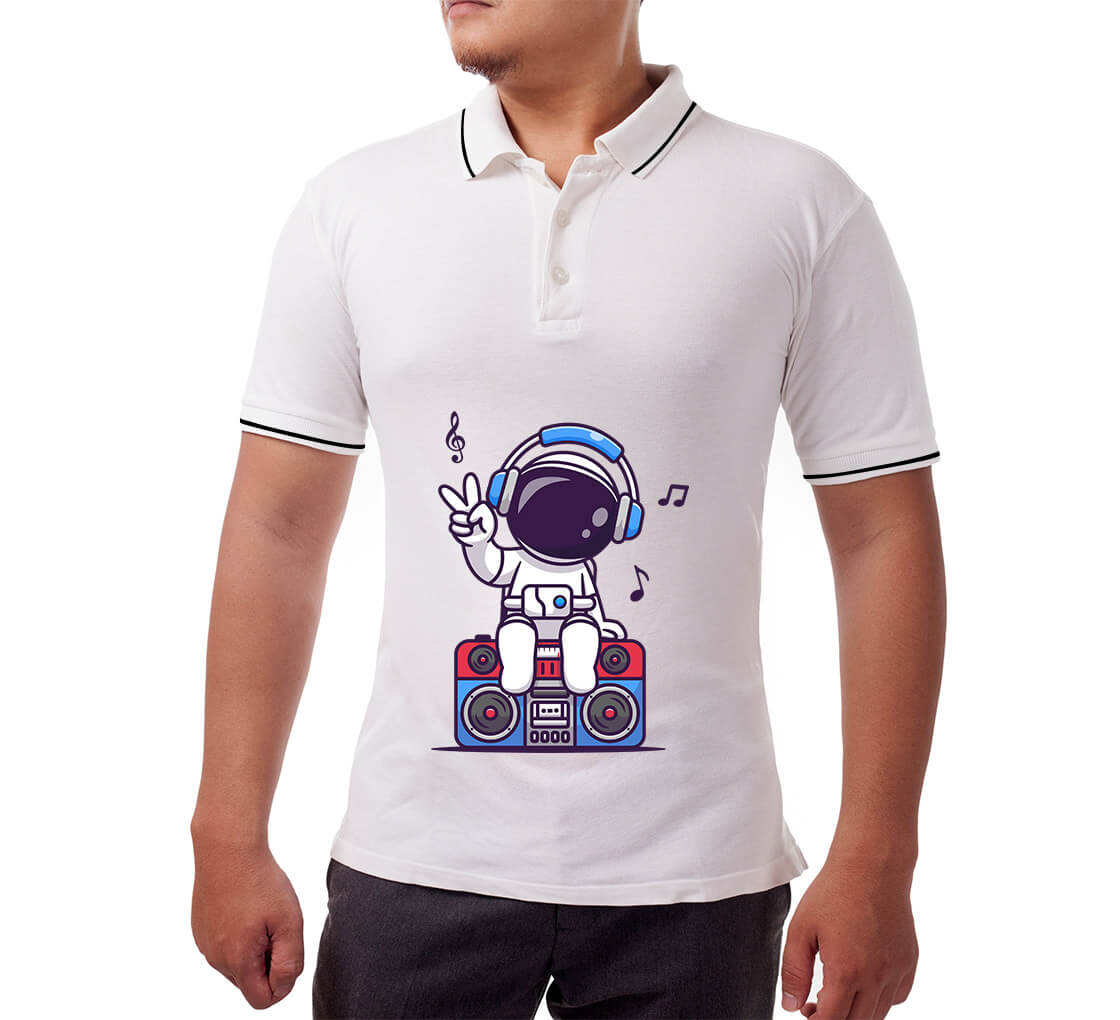
- Custom Workwear & High-Strain Apparel: Custom polo shirts and other workwear can benefit from the bonded adhesive’s elasticity and stretchability, allowing transfers to hold up under active wear and repeated commercial washing cycles.
Washing and Maintenance Guidelines
To ensure long-lasting quality and keep prints looking crisp over dozens of laundry cycles, proper care is simple but essential:
1. Turn garments inside out before placing them in the washing machine to shield the surface graphic from friction against zippers or buttons.
2. Wash in cold or warm water (under 40°C / 104°F) using mild detergent. Avoid aggressive bleaching agents or harsh chemical stain removers.
3. Hang dry naturally or use low heat settings on tumble dryers.
4. Never apply a hot iron directly onto the printed transfer; iron the garment inside out or place a piece of parchment paper over the graphic.
Final Thoughts
The advancement of garment printing technologies has made custom apparel production faster, higher quality, and far more accessible than ever before. By combining full-color digital printing precision with durable hot-melt adhesive powders, this innovative process overcomes many historic limitations of older printing methods.
Whether you are planning to launch your own clothing brand, source custom uniforms for your team, or expand an existing print business, adopting this technology offers a flexible, high-durability and cost-effective path forward.
Frequently Asked Questions
1. What is DTF printing and how does it work?
DTF, or Direct-to-Film printing, is a garment decoration method where a design is printed onto a special transfer film and then transferred onto fabric using heat and pressure.
2. What fabrics can DTF printing be used on?
DTF printing can be used on a range of fabrics and apparel, making it suitable for creating customized garments with detailed designs, logos, text and graphics.
3. Is DTF printing better than screen printing?
DTF printing can be a practical choice for detailed, multicolour designs and smaller orders, while screen printing can be more suitable for large quantities of simpler designs.
4. How long does a DTF print last on clothing?
The durability of a DTF print depends on factors such as the quality of the transfer, fabric, application process and garment care. Following the recommended washing instructions can help preserve the print.
5. What are the advantages of DTF printing?
DTF printing offers detailed colour reproduction, supports intricate designs and can be used for personalized apparel without requiring traditional screen-printing setup.